




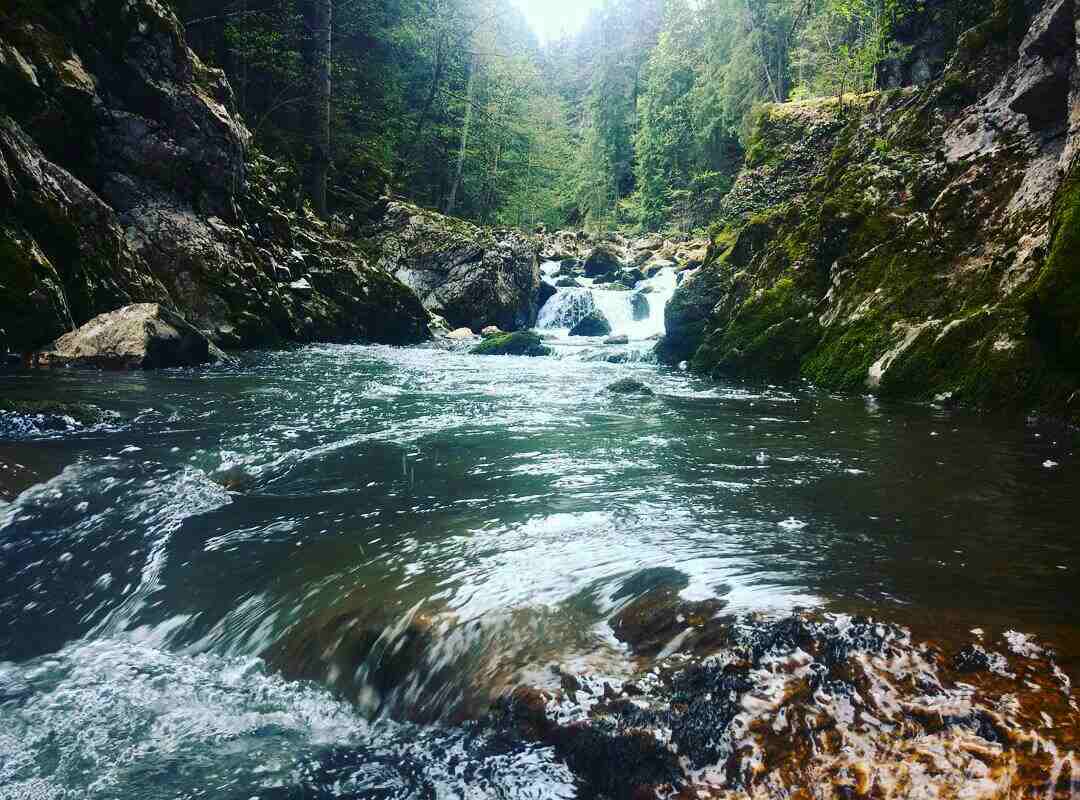
More river kilometres have been saved! The Ministry of Spatial Planning, Construction, and Ecology of Republika Srpska has officially rejected the Environmental Impact Study for the proposed Nevačka small hydropower plant (sHPP).
This decision ensures that the Stupčanica River in the Han Pijesak municipality will continue to flow freely, ending years of attempts to develop the site. The Ministry’s rejection was based on arguments submitted by the Centre for Environment and other relevant institutions during the public review process.
Shortcomings
For years, the Centre has consistently warned of the ecological damage caused by hydropower plants. They have monitored the Nevačka sHPP project since its inception, repeatedly identifying critical flaws in its environmental impact assessments.
Their primary concerns include:
-
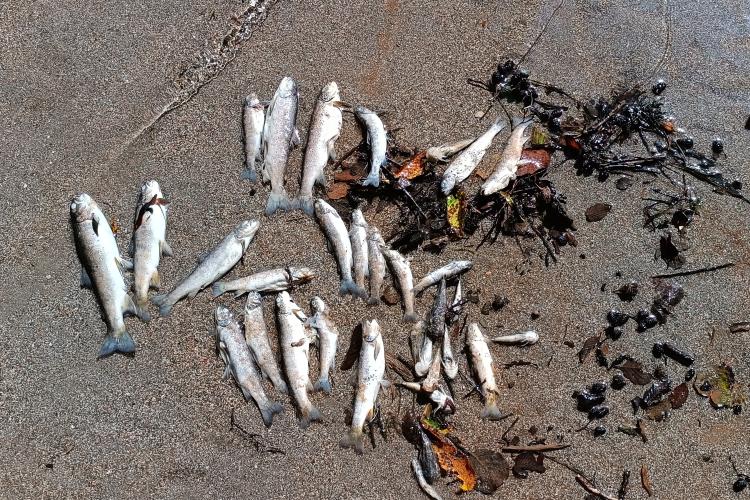
Habitat destruction: Construction would fragment habitats and degrade fish populations, as "fish passes" are notoriously ineffective in practice.
-
Outdated data: The study relied on obsolete flow measurements from the last century. They argued that modern assessments must account for current climate change trends, which have significantly reduced river levels.
-
Inadequate biodiversity research: The "baseline" data failed to properly account for endangered and strictly protected species in the area, leaving their survival at risk.
Insufficiently Elaborated Study
The Ministry’s decision was backed by experts from the Ministry of Agriculture, Forestry, and Water Management, as well as the Republic Institute for the Protection of Cultural, Historical, and Natural Heritage. Both institutions concluded that the study was fundamentally flawed and failed to eliminate the project's negative environmental impacts.
Crucially, the Ministry recognised that Han Pijesak was designated an "air spa" in 2023. This status was considered in local development decisions. We applaud the Ministry of Spatial Planning, Construction, and Ecology for rejecting this project. Moving forward, the Stupčanica River should not be a target for industrial exploitation; instead, its rich biodiversity should be managed through sustainable protection plans that benefit the region’s future.
