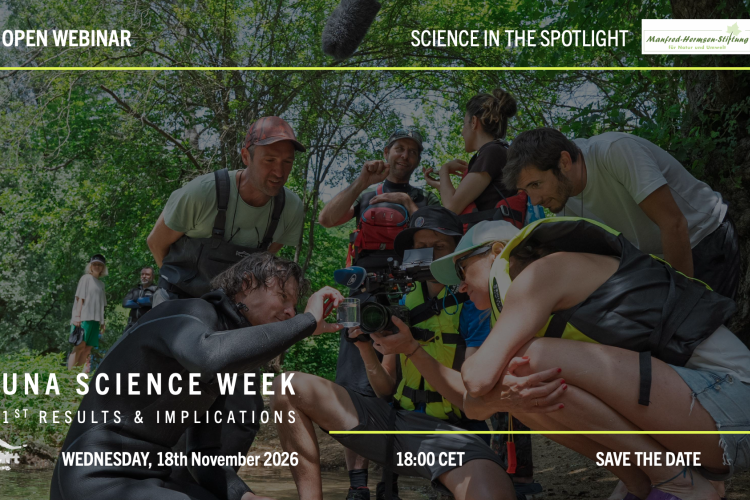

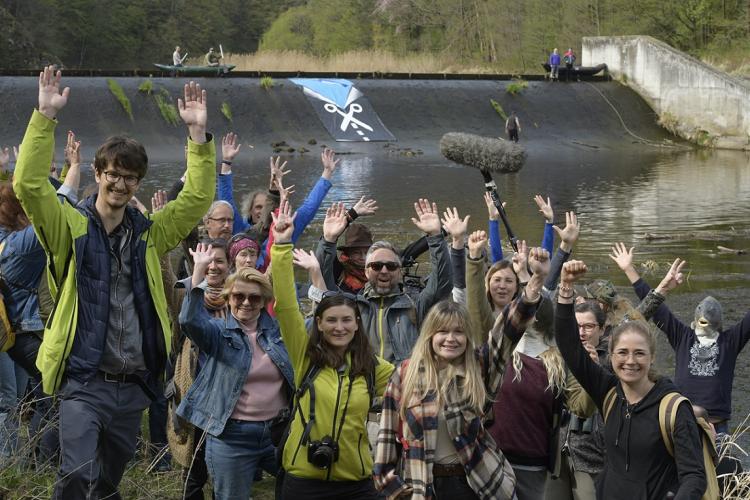




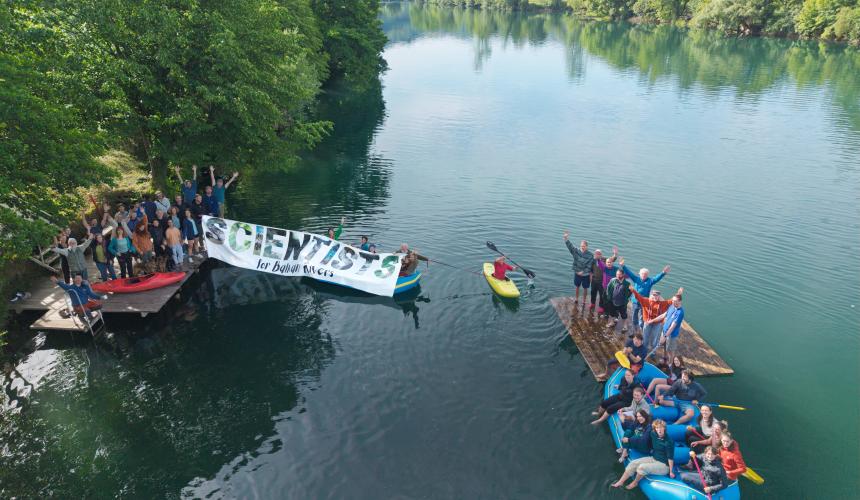
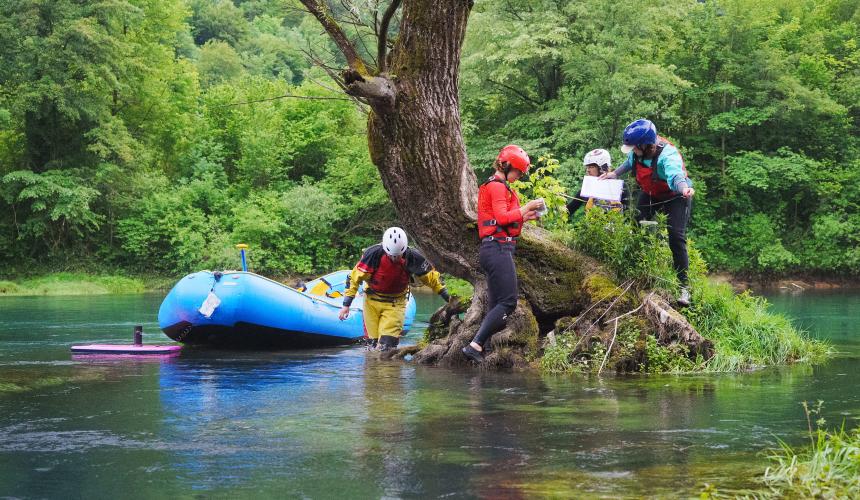
Vienna, Austria | June 9 2026 Following seven days of intensive fieldwork, an international team of over 70 scientists and students has officially concluded Una Science Week. The multidisciplinary expedition spanned a network of 660 river kilometres across Bosnia and Herzegovina, collecting critical data to establish a single, unbreakable vision for the protection of the entire Una River basin: a transboundary Una Wild River National Park (UWRNP).
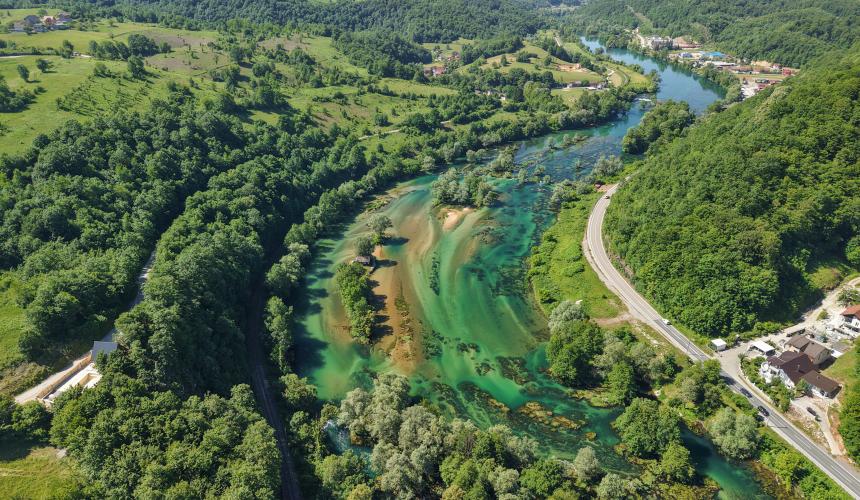
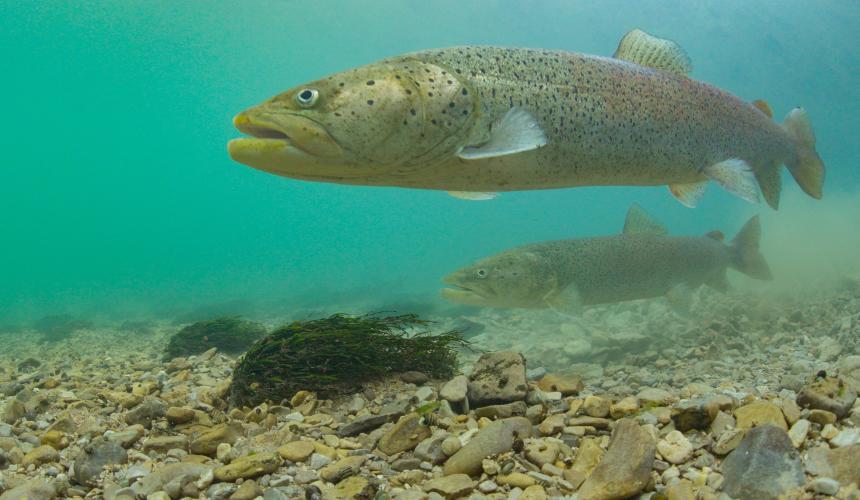
The Una River is recognised as an ecological gem within the "Blue Heart of Europe," celebrated for its unique cave-karst springs, travertine waterfalls, and healthy populations of the endangered Danube salmon (Hucho hucho). However, its current protection status is fragmented, leaving the vast majority of the Una and its tributaries vulnerable to contemporary development.
Guided by the principle that biodiversity depends on a healthy, unfragmented river system, the expedition focused on three core objectives: demonstrating the high biodiversity contained in the river and its tributaries, mapping immediate environmental threats, and conceptualising a large-scale UWRNP.
What distinguishes Una Science Week from conventional scientific surveys is that its participating researchers do not merely collect and analyse data; they also act as independent advocates for the ecosystems they study, lending both scientific credibility and personal conviction to the case for protection.
"We bring rigorous, independent science and the deep commitment of those who study these ecosystems. Ultimately, it is passion that protects a river," said Prof. Gabriel Singer, from the University of Innsbruck, lead scientist of the Una Science Week. "If I were a fish, I would want to live here. That sentiment reflects what our findings confirm: the Una is a truly exceptional and biodiverse river system. The data gathered during Science Week provide a compelling scientific foundation for protecting the Una from source to mouth."
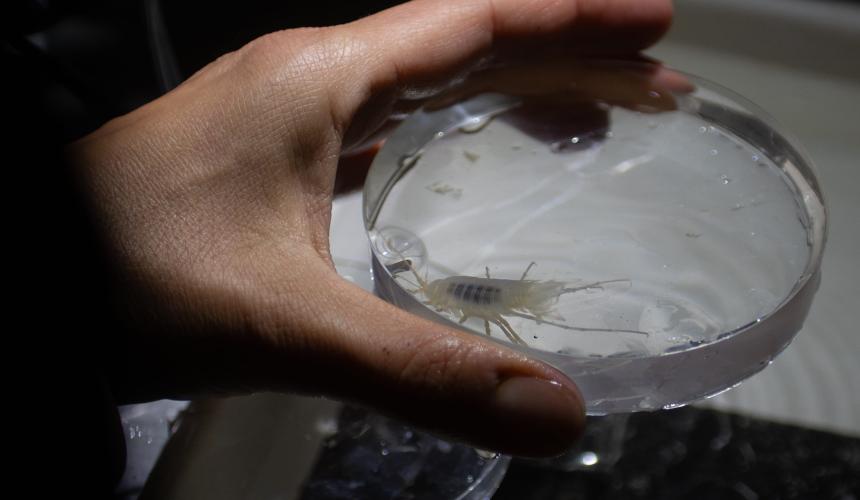
One of the teams has likely encountered a species of freshwater crayfish observed in this region decades ago, but never formally recorded or studied since. “If it is confirmed that this is indeed that particular species, the discovery would be like finding a dragon,” said biologist Dr Dušan Jelić of BIOTA Ltd, Croatian Institute for Biodiversity, who led the survey of olm populations and their distribution in the Una basin.
The expedition also served as a catalyst for the next generation of freshwater conservationists, bringing together regional and international students. Throughout the week, the scientists were accompanied by national and international media teams, filmmakers, and skilled storytellers, capturing their stories directly from the field and helping tell the world about the importance of evidence-based advocacy for the protection of living river ecosystems.
"At the University of Bihać, we have closely monitored the mounting pressures on the Una, from sprawling shoreline development to point-source pollution that chips away at its health. These threats don't stop at political or geographic borders. That is why this Science Week is a turning point: we are finally exposing the true scale of what we stand to lose if we don’t establish the Una Wild River National Park," stated Dr. Vildana Alibabić, Biotechnical Faculty at the University of Bihać.
“Protecting individual river sections is not enough to keep rivers truly alive. To safeguard their biodiversity in the long term, we need to protect entire river systems,” added Ulrich Eichelmann, CEO of Riverwatch. “In Europe, this is only still possible in a few places, as most rivers have already been heavily altered. Along the Una, however, there is still a unique opportunity to conserve this river network, which spans more than 660 km in length – an opportunity of European significance.”
Una Science Week is organised by Riverwatch in partnership with the Fondacija Atelje za društvene promjene - ACT and the Centar za životnu sredinu / Center for Environment